This post is a summary of Chapter Thirteen, “The Will to Bear Discomfort,” from Abraham A. Low’s book Mental Health Through Will‑Training (Third Edition, 1997, published by the Willett Publishing Company and originally published in 1950). Though written more than seventy years ago, the chapter feels startlingly contemporary. Low argues that modern culture’s fixation on comfort has weakened our resilience — and that reclaiming the ability to bear discomfort is essential for emotional health.
Low illustrates this through the story of Phil, a man who struggled for years with handwriting. Phil believed he “couldn’t” write because tension made his hand spasm whenever he picked up a pen. Low reframes the problem: Phil’s fingers were never paralyzed. The real barrier was fear, embarrassment, and the belief that discomfort meant incapacity. Once Phil learned to move his hand calmly despite tension, the tension eased. The transformation wasn’t muscular — it was mental. Phil replaced “I cannot” with a willingness to face discomfort long enough to act.
Low expands this idea into a broader psychological principle: nervous fear is essentially the fear of discomfort. Whether it appears as panic, sleeplessness, avoidance, or physical tension, the pattern is the same. Anticipating discomfort creates more discomfort, which then reinforces the belief that one is incapable. Recovery training breaks this cycle by teaching people that discomfort is not dangerous — only unpleasant — and that tolerating it builds confidence and control.
The chapter also critiques the cultural shift toward comfort-seeking. Earlier generations accepted discomfort as a normal part of life; today we treat it as a problem to be eliminated. Low argues that this avoidance erodes character, discipline, and efficiency. When people stop fleeing discomfort and instead face it with patience and courage, they become more capable, not less. Paradoxically, embracing discomfort leads to greater comfort in life overall.
Low’s message is simple but profound: the will to bear discomfort is a skill — and one that modern life has allowed to atrophy. Rebuilding it is not only possible but transformative. In a world that increasingly promises ease, Chapter Thirteen reminds us that strength grows not from avoiding discomfort, but from learning to meet it with steadiness and resolve.
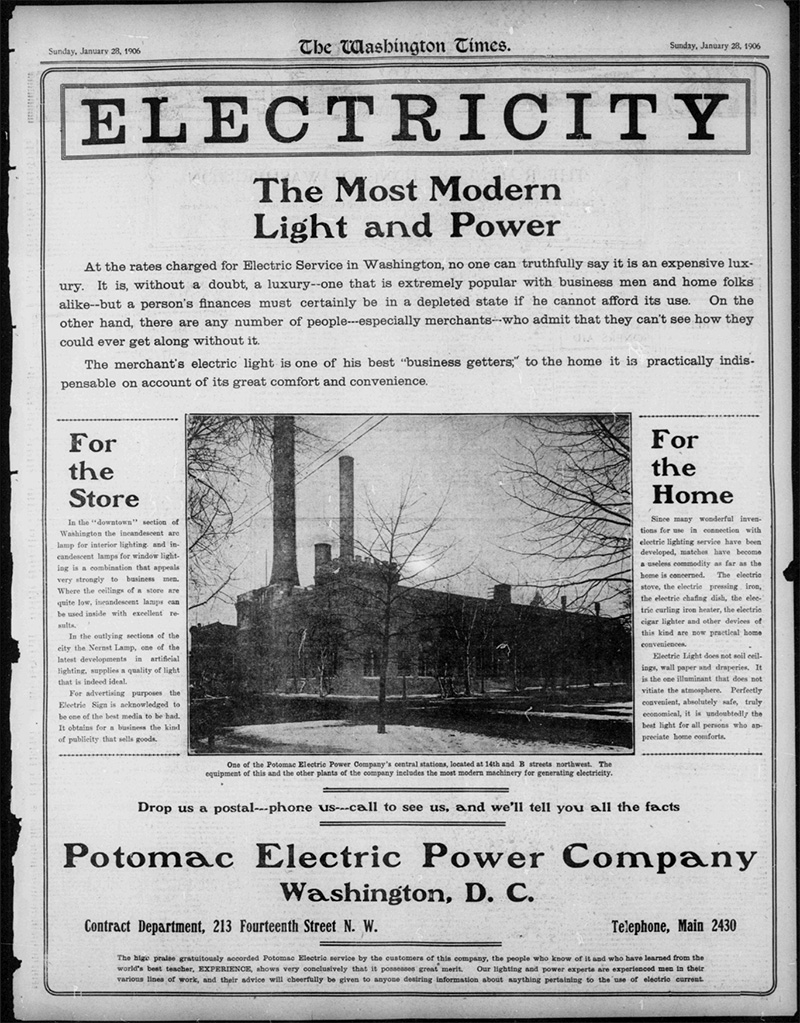
And just for giggles, I found an advertisement from the January 28, 1906 edition of The Washington Times. I like how it says, “(Electricy) is practically indispensable on account of its great comfort and convenience.”
On page 149 of Mental Health Through Will-Training, Dr. Low writes:
“I do not wish to convey the impression that I am opposed to the use of such mechanical conveniences as refrigeration, electricity, and gasoline. If anyone wishes to introduce these or kindred comforts into home or shop, he has my blessing. But he will have to know that this type of legitimate comfort is merely useful and not at all valuable.”